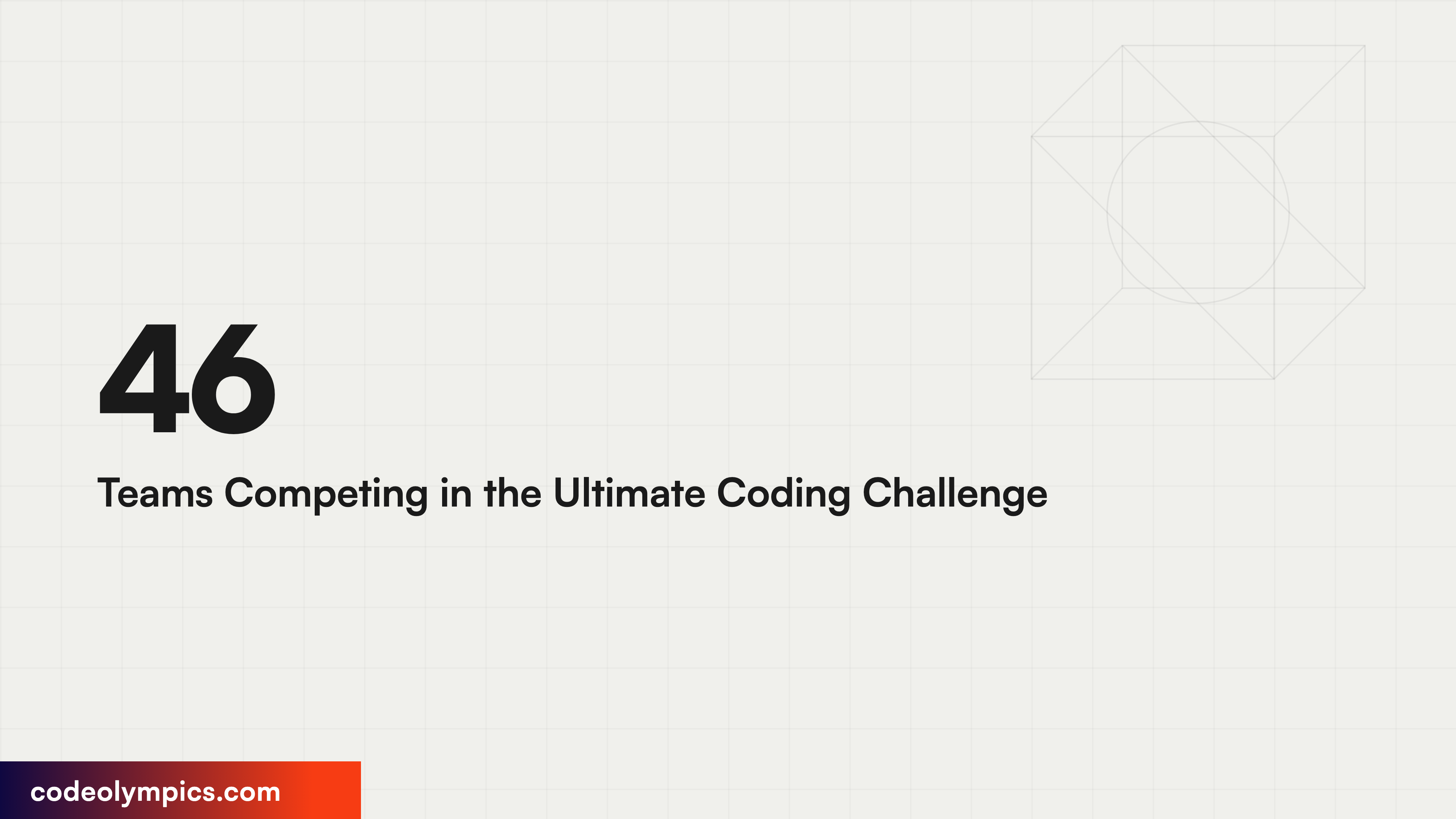
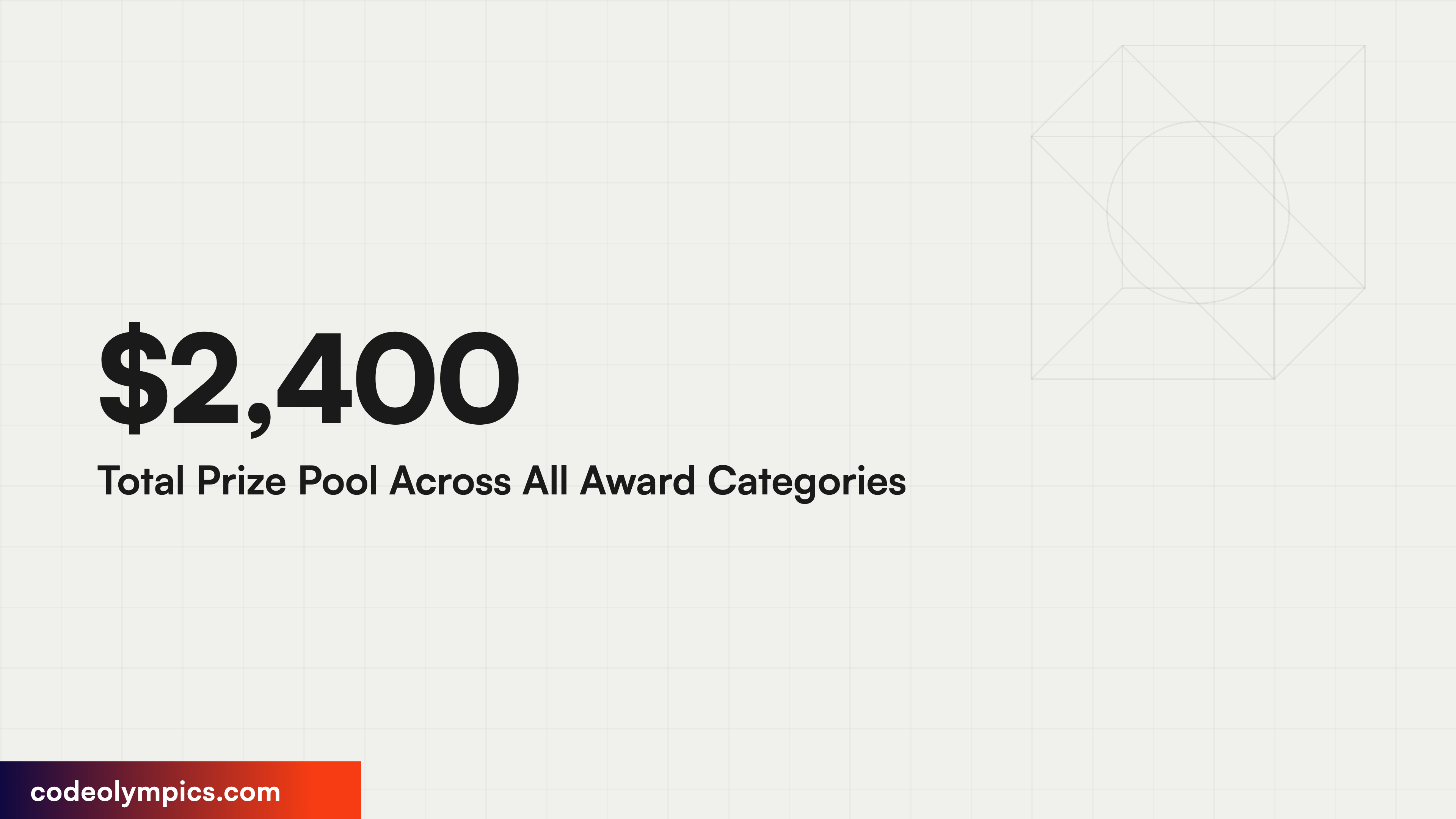
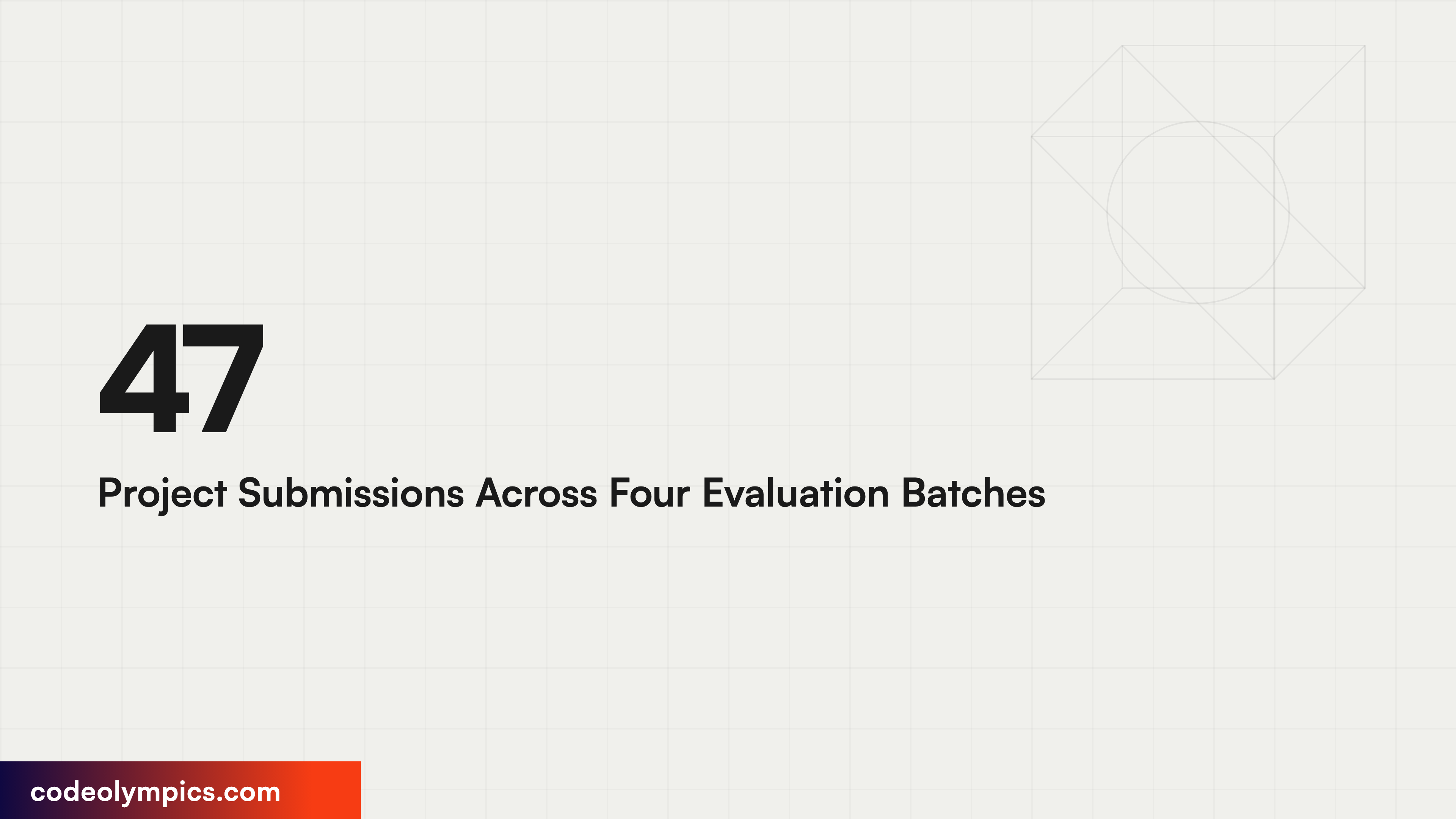
What happens when developers face randomized constraints they can't prepare for? Code Olympics 2025, organized by Raptors.dev from November 1-15, 2025, challenged 66 teams to build innovative solutions while navigating randomly assigned coding restrictions—from zero imports to strict line limits to error-proof requirements. This global virtual event proved that true engineering mastery isn't about writing more code; it's about writing the right code under pressure.
✯ Grand Prize Winners
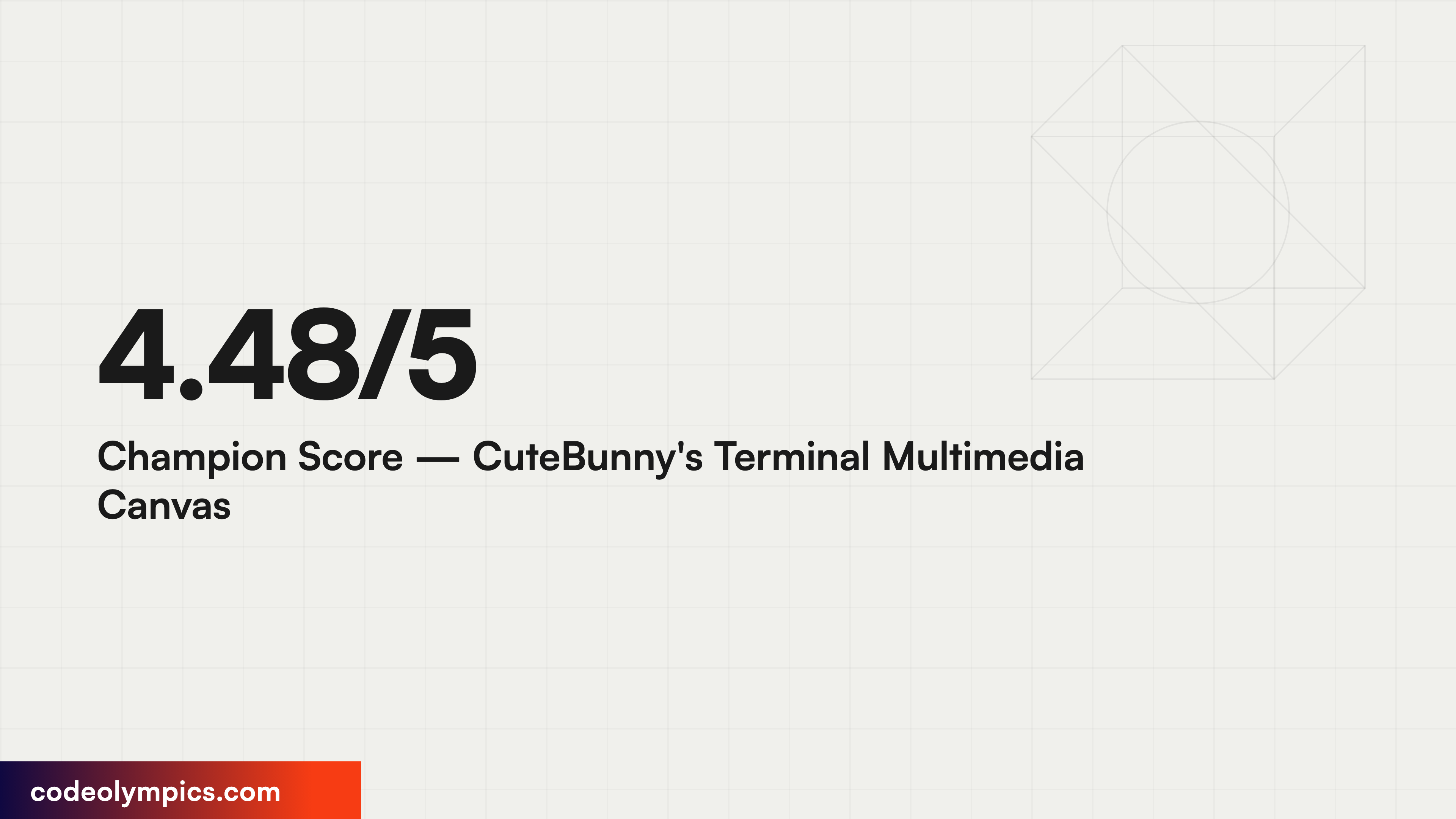
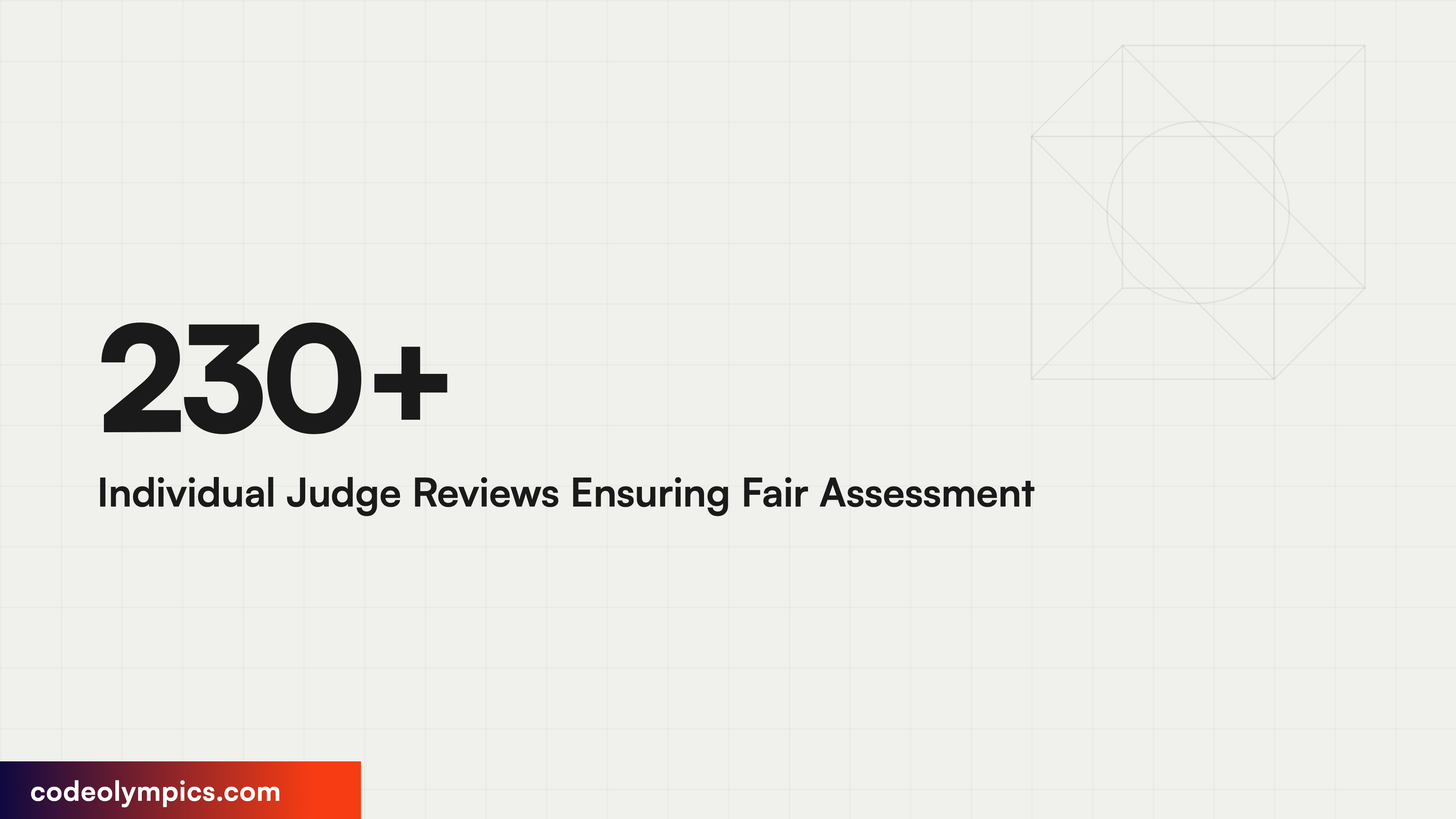
- 1st Place — ViST-Visual Terminal Tool (Team: CuteBunny). A multimedia powerhouse that transforms the terminal into a visual canvas with ASCII image rendering, GPU acceleration, data visualization, a 35 FPS terminal runner game, and real-time video playback with synced audio—all within 500 lines of Python with zero crashes. "Impressive work turning a simple terminal into a full visual and interactive environment. The sheer breadth of features from ASCII image rendering and data visualization to a playable game and real-time video playback—all built within tight constraints. A highly creative and well-engineered project showcasing depth and versatility." — Naman Jain, Judge
- 2nd Place — Code Auditor (Team: 3S). A professional security scanner packed into 300 lines with zero external dependencies—featuring hardcoded secrets scanning, SQL injection detection, code complexity analysis, and interactive HTML dashboards that scan 10,000+ files in under 3 seconds. "Impressive work building a powerful code auditing tool entirely with Python's built-ins and under 300 lines. You have packed in detecting secrets, API keys, SQL injection patterns, duplicate code, and computing health scores—all without external dependencies." — Naman Jain, Judge
- 3rd Place — PILYT (Team: PILYT). A Go-based terminal assistant that transforms YouTube videos into a searchable knowledge library with metadata saving, subtitle downloads, AI summaries, and JSON storage—all in 650 lines with one main loop. "PILYT is a brilliant Go-based terminal assistant that transforms YouTube videos into structured summaries, complete with subtitles, tags, JSON storage, and stats. The recursive design patterns show deliberate craftsmanship and low-variable brilliance." — Kishore Subramanya Hebbar, Judge
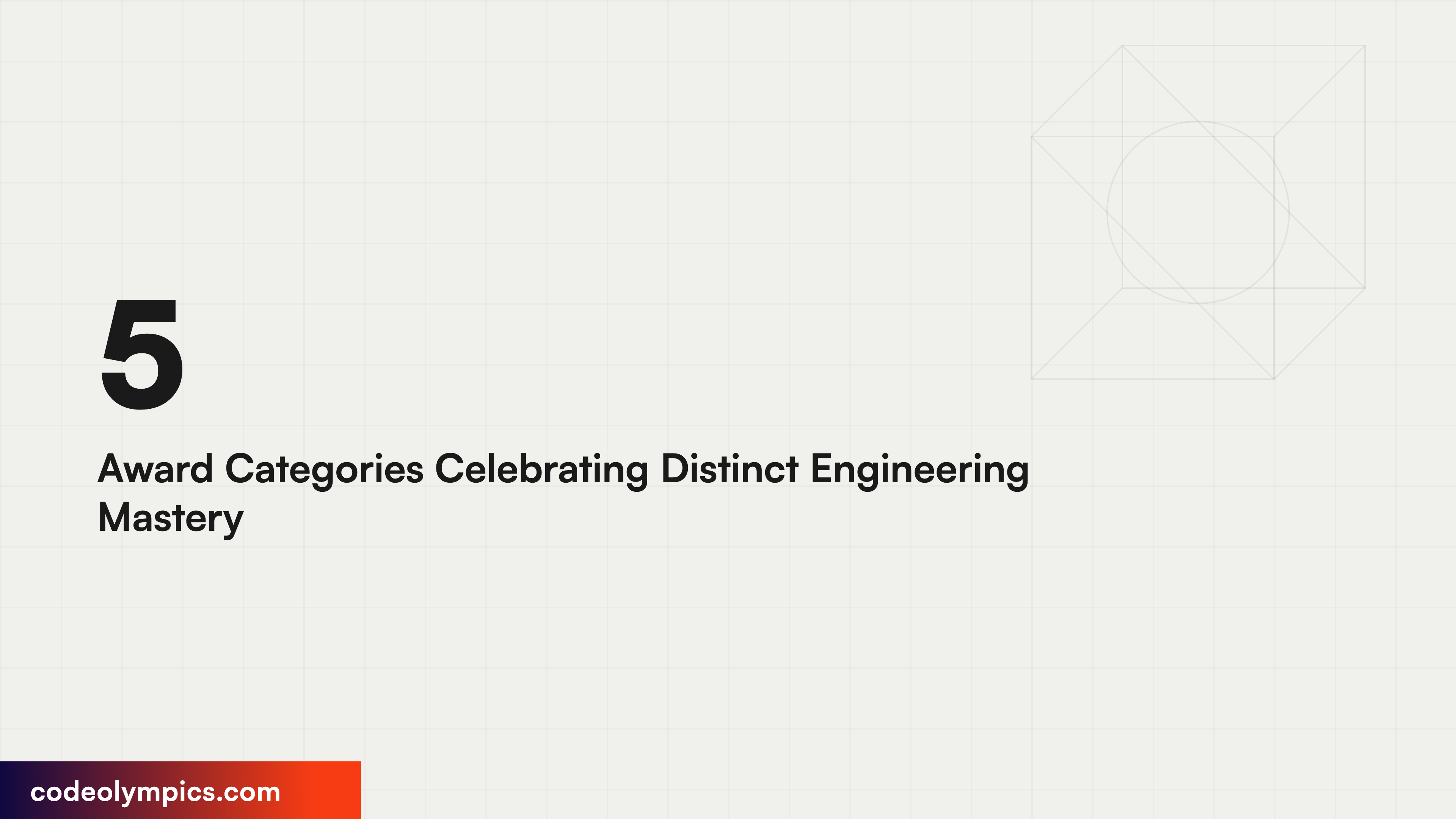
✯ Category Winners
- Best Functionality & Reliability: CuteBunny — ViST-Visual Terminal Tool. Rock-solid reliability across 4 modes with GPU detection, video processing, audio sync, and zero-crash error handling.
- Best Constraint Mastery: CalC — Omni_Convertor. Feature-rich, zero-dependency Python toolkit using only built-in functions—scored 4.88/5.00, the highest in the entire competition.
- Best Code Quality: beTheNOOB — TextMind. Offline text analyzer under extreme constraints (8 variables, 400 lines) with sentiment detection, keyword extraction, and ML-ready dataset generation.
- Best Innovation: Ctrl+Alt+Victory — Sigma Clean AI FileManager. AI-powered file management via Groq API in 149 lines with error-proof architecture and natural language commands.
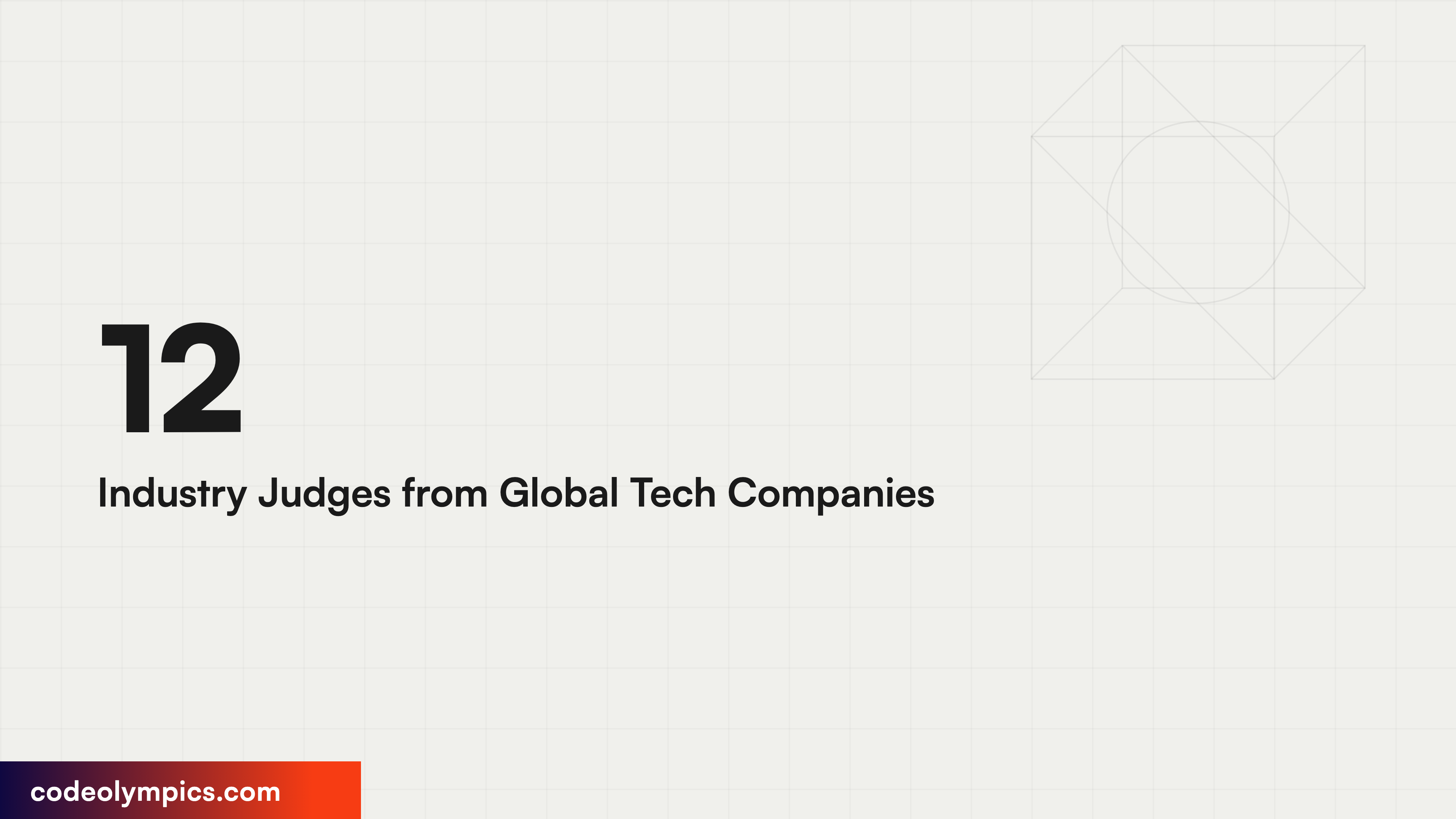
✯ Our Esteemed Panel of Judges
- Sergii Demianchuk — Software Engineering Technical Leader at Cisco. Previously Application Architect at SoftServe for 13 years, bringing 15+ years of experience in software development, automation testing, and web applications across Python, TypeScript, and Node.js.
- Aleksandr Meshkov — Head of QA and AI Evaluation at First Line Software with 12+ years in QA. ISTQB® Certified specialist creating scalable testing methodologies and AI evaluation frameworks using Deepeval, Ragas, Azure AI Studio, and Google Vertex AI. Former Director of QA at Home Credit Russia managing 120+ employees.
- Artem Mukhin — Software Engineer at Microsoft, Developer Experience Ambassador, ex-Yandex. Frontend specialist with 5+ years in React.js/TypeScript who optimized mobile build refresh times from 60+ seconds to 2-5 seconds, demonstrating deep commitment to developer productivity.
- Sagar Gupta — Research-Driven Technology Leader and AI Advisory Board Member, Suiteworld 2025 Speaker. Specializes in multi-agent orchestration, RAG systems, and explainable AI frameworks with 9+ years bridging AI research and enterprise ERP implementation.
✯ Key Takeaways
- Constraints Breed Creativity — The tightest constraints produced the most elegant code. From 99-line MVCC databases to 300-line security scanners, participants proved that limitations amplify innovation rather than restrict it, demonstrating that superior engineering decisions emerge when you can't hide behind verbose code.
- Minimalism Meets Power — ViST delivered multimedia in 500 lines, Code Auditor packed professional security scanning in 300 lines, MVCC-Database achieved database fundamentals in just 99 lines. Winners demonstrated that minimal code can deliver maximum impact.
- Real-World Impact Within Extreme Constraints — Projects weren't just technically impressive—they solved genuine developer problems. Security scanning, knowledge management, file organization, and developer tooling emerged from extreme constraints ready for immediate production deployment.
- Randomized Challenges Reveal True Mastery — With constraints like "No-Import Rookie," "Error-Proof Coder," and "Compact Coder" randomly assigned, participants couldn't prepare or optimize for specific rules. This revealed genuine adaptability and deep language mastery that predetermined challenges could never surface.
In a world where bloated codebases and dependency hell have become the norm, these 66 teams asked a rebellious question: what if we stripped everything away, faced random constraints head-on, and kept only what matters—and proved that it works?